
Last Updated: May 30, 2026
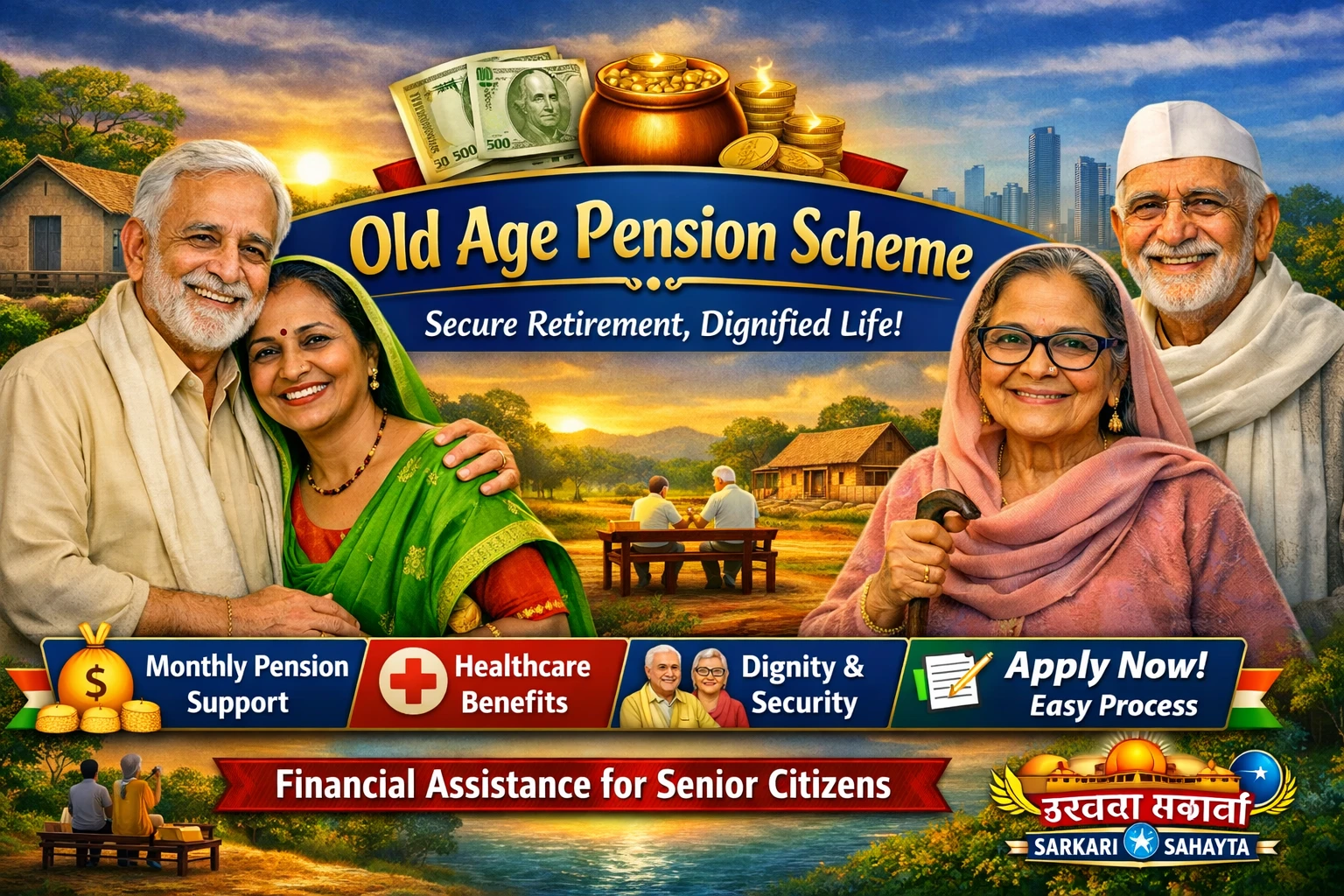
🌟 India’s Old Age Pension Scheme is one of the most compassionate social welfare initiatives designed to support senior citizens who have contributed their entire lives to society. As people age, financial independence becomes crucial for dignity and well-being. The government’s pension programs aim to ensure that every elderly person can live with respect, security, and comfort. 💖
🏛️ Introduction to Old Age Pension
The Old Age Pension is a social assistance program launched by both the Central and State Governments to provide financial support to senior citizens who have no regular source of income. It is a monthly allowance that helps them meet basic needs such as food, healthcare, and shelter. 🏠
Under the National Social Assistance Programme (NSAP), the Central Government provides funds to states to implement pension schemes for the elderly, widows, and persons with disabilities. Each state also runs its own version of the pension scheme, tailored to local needs. 🌍
🎯 Objectives of the Scheme
- 💰 To provide financial assistance to senior citizens living below the poverty line.
- 🧓 To ensure social security and dignity in old age.
- 🏥 To help elderly individuals meet basic living and medical expenses.
- 🤝 To reduce dependency on family members or others for survival.
- 🌈 To promote inclusive welfare and equality among all sections of society.
📋 Eligibility Criteria
Eligibility for the Old Age Pension varies slightly across states, but the general criteria are as follows:
- 👵 Applicant must be a citizen of India.
- 🎂 Age should be 60 years or above (some states start from 58 years).
- 💸 Applicant should belong to a Below Poverty Line (BPL) household.
- 🚫 Should not be receiving any other regular pension from government or private sources.
- 🏠 Must be a permanent resident of the respective state.
💰 Pension Amount
The pension amount differs from state to state. Under the Indira Gandhi National Old Age Pension Scheme (IGNOAPS), the Central Government provides ₹200 per month for individuals aged 60–79 years and ₹500 per month for those aged 80 years and above. States often add their own contribution, increasing the total monthly pension. 💵
🧾 Documents Required
- 🪪 Aadhaar Card or any valid ID proof.
- 📜 Age proof (Birth Certificate, School Certificate, or Medical Certificate).
- 🏠 Residence proof (Ration Card, Electricity Bill, or Voter ID).
- 💳 Bank account details for direct transfer.
- 📄 Income certificate or BPL card.
- 🖋️ Passport-size photographs.
🧠 How the Scheme Works
The Old Age Pension Scheme operates through a simple and transparent process:
- 📝 Eligible citizens submit their application to the local Gram Panchayat or Municipal Office.
- 🔍 Verification of documents and eligibility is conducted by authorities.
- ✅ Approved beneficiaries are added to the pension list.
- 🏦 Pension amount is directly transferred to the beneficiary’s bank account every month.
🌐 Types of Pension Schemes in India
- 👵 Indira Gandhi National Old Age Pension Scheme (IGNOAPS) – Central Government scheme for elderly citizens.
- 👩🦳 State Old Age Pension Schemes – Implemented by individual states with additional benefits.
- 🏥 Senior Citizen Welfare Fund – Supports healthcare and welfare activities for the aged.
- 💼 Employee Pension Scheme (EPS) – For employees under EPFO contributing to retirement benefits.
- 🌾 Farmer Pension Schemes – Special pension programs for elderly farmers in rural areas.
📈 Impact of the Scheme
The Old Age Pension Scheme has transformed the lives of millions of elderly citizens across India. It provides not just financial aid but also emotional security and recognition. Many beneficiaries use the pension to buy medicines, food, and essentials, ensuring a dignified life. 🌟
🏥 Health and Social Benefits
- 💊 Helps elderly people afford medical treatment and medicines.
- 🍲 Ensures access to nutritious food and daily essentials.
- 🏡 Reduces vulnerability to homelessness and neglect.
- 🤗 Promotes mental well-being and social inclusion.
🧩 Challenges in Implementation
Despite its noble objectives, the scheme faces several challenges:
- 📉 Delays in verification and approval of applications.
- 💻 Lack of awareness among rural citizens about online application processes.
- 🏦 Issues in bank linkage and payment delays.
- 🧾 Incomplete documentation or errors in beneficiary data.
- 🚫 Limited outreach in remote and tribal areas.
💡 Government Initiatives for Improvement
To overcome these challenges, the government has introduced several reforms:
- 🌐 Digital platforms for online application and tracking.
- 📱 Integration with Aadhaar for transparency and authentication.
- 🏦 Direct Benefit Transfer (DBT) to ensure timely payments.
- 📣 Awareness campaigns through Panchayats and local media.
- 🤝 Collaboration with NGOs for outreach and assistance.
🌿 Role of Panchayats and Local Bodies
Local governance plays a crucial role in the success of pension schemes. Gram Panchayats and Municipal Offices act as the first point of contact for applicants. They help in verifying documents, forwarding applications, and resolving grievances. 🏘️
🧭 How to Ensure Smooth Pension Delivery
- ✅ Keep all documents updated and accurate.
- 🏦 Maintain an active bank account linked with Aadhaar.
- 📞 Stay in touch with local welfare officers for updates.
- 🗂️ Attend awareness camps organized by social welfare departments.
🌈 Stories of Change
Across India, countless stories highlight how the Old Age Pension Scheme has brought hope and relief. Elderly citizens who once struggled for daily meals now live with dignity. In villages, pension days have become symbols of empowerment and gratitude. 💐
📚 Awareness and Outreach
Government and NGOs conduct awareness drives to educate senior citizens about their rights and the process of applying for pensions. Posters, radio announcements, and community meetings help spread information even in remote areas. 📻
💬 Frequently Asked Questions (FAQs)
❓ Who can apply for the Old Age Pension?
Any Indian citizen aged 60 years or above belonging to a BPL household can apply.
❓ How is the pension amount credited?
The pension is directly transferred to the beneficiary’s bank account through DBT.
❓ Can a person receive multiple pensions?
No, beneficiaries can receive only one pension under government schemes.
❓ What happens if the pension is delayed?
Beneficiaries can contact the local welfare office or district social welfare officer for assistance.
❓ Is Aadhaar mandatory?
Yes, Aadhaar is required for identity verification and direct transfer of funds.
honored and supported in their later years. 👵👴 These schemes are not just about money; they are about restoring dignity, ensuring care, and recognizing the invaluable contributions of our elders. By providing a steady financial aid, the government helps reduce vulnerability, promote independence, and strengthen the social fabric of the nation. 🌈
🌟 The Way Forward
India’s population of senior citizens is steadily growing, and with it, the need for robust social security systems. The Old Age Pension Scheme must continue to evolve with better coverage, higher pension amounts, and simplified application processes. Digital integration, awareness campaigns, and community participation will be key to ensuring that no elderly person is left behind. 🚀
🤝 Role of Society
While the government provides financial assistance, society also has a responsibility to care for its elders. Families, communities, and NGOs can complement pension schemes by offering emotional support, healthcare services, and social inclusion activities. Together, we can create an environment where senior citizens feel valued and respected. 💐
📊 Recommendations for Strengthening the Scheme
- 💵 Increase pension amounts to match inflation and rising living costs.
- 🌐 Expand digital platforms for easier application and grievance redressal.
- 🏥 Link pension schemes with healthcare benefits for holistic welfare.
- 📣 Conduct regular awareness drives in rural and tribal areas.
- 🧾 Simplify documentation requirements to reduce barriers for applicants.
🌍 Global Perspective
Many countries across the world run old age pension programs to support their senior citizens. India’s scheme, though modest in financial terms, is significant in its outreach and inclusivity. By learning from global best practices, India can further strengthen its pension system to ensure universal coverage and better benefits. 🌐
💬 Voices of Beneficiaries
Beneficiaries often express gratitude for the pension scheme, describing it as a lifeline. For many, the pension is the only source of income that helps them buy food, medicines, and pay utility bills. Their stories highlight the importance of timely disbursement and the need for continuous improvement. 🗣️
📚 Conclusion
The Old Age Pension Scheme is a cornerstone of India’s social welfare system. It embodies compassion, justice, and respect for the elderly. By ensuring financial support, the scheme uplifts millions of senior citizens, allowing them to live with dignity and independence. 🌟
👵👴 As India progresses, strengthening the Old Age Pension Scheme will be vital to building a society that honors its elders. It is not just a policy—it is a promise of care, respect, and gratitude to those who have shaped our nation. 🇮🇳